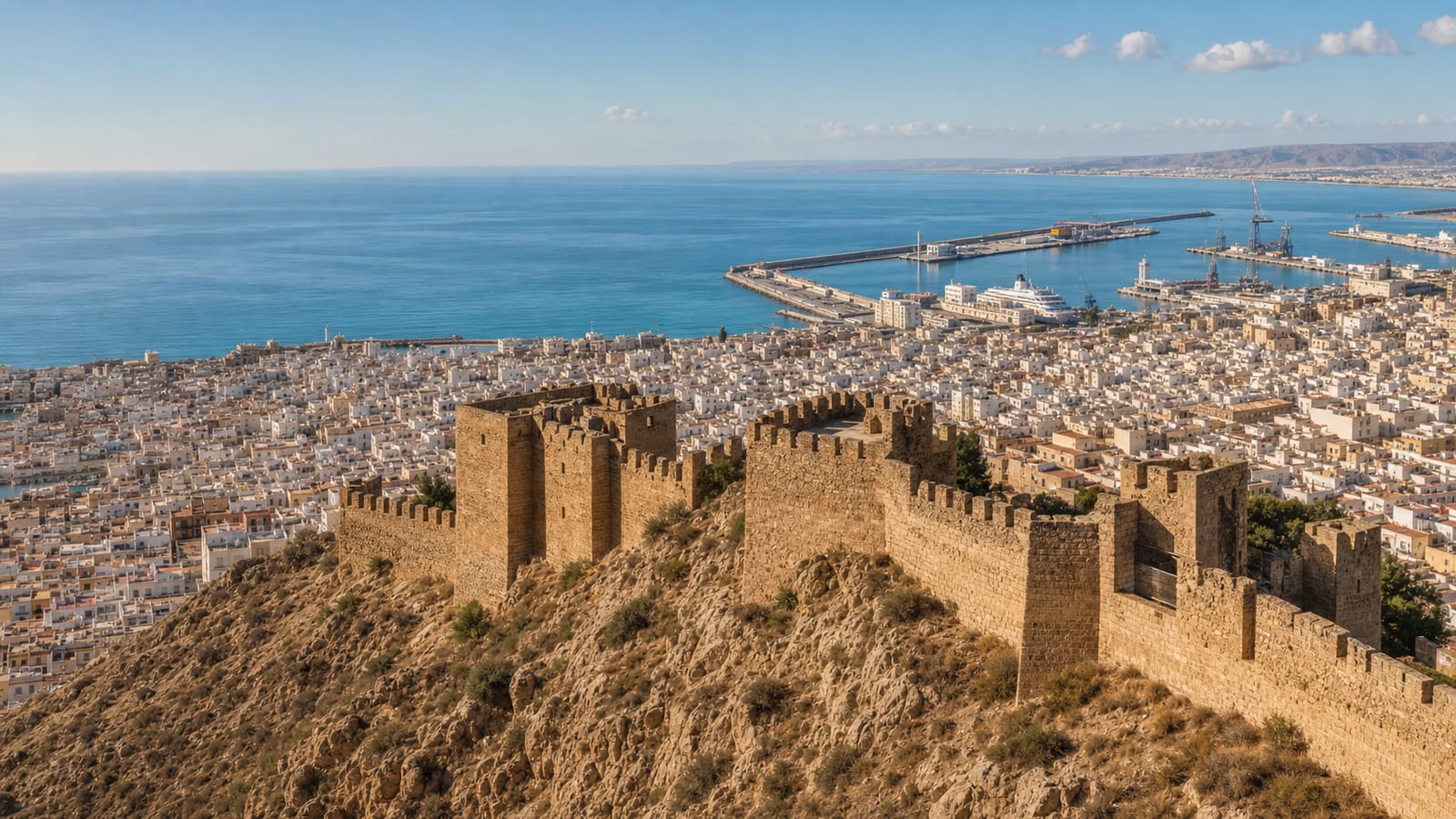
Almería,
where the light
tells the story
A city between the Alcazaba and the Mediterranean. Come and walk through a thousand years of history, share a tapa and discover landscapes that cinema turned into legend.
A thousand years above the same bay
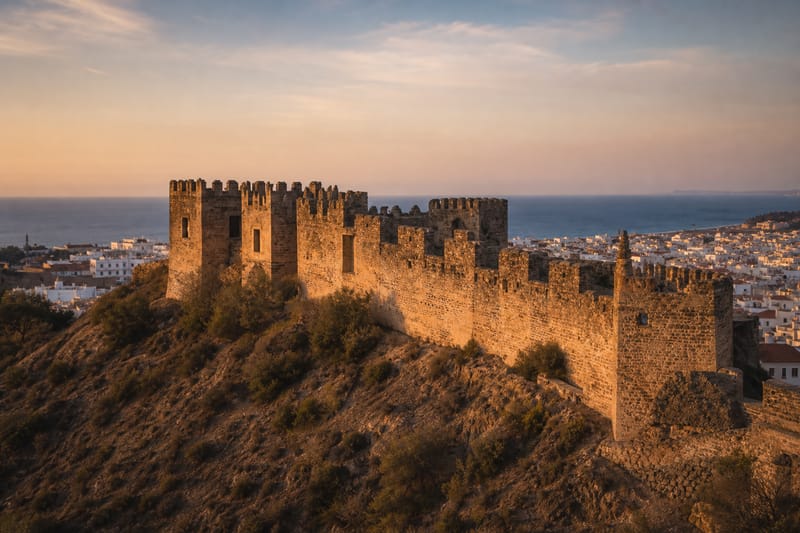
Founded as a city in 955, Almería was an international port of al-Andalus, a taifa of poets and merchants, a fortified stronghold, a mining city and a shelter from the bombs.
Walk through the history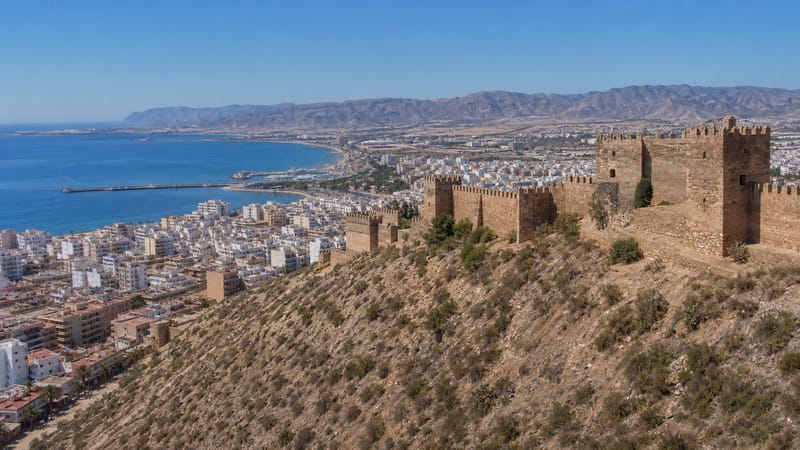
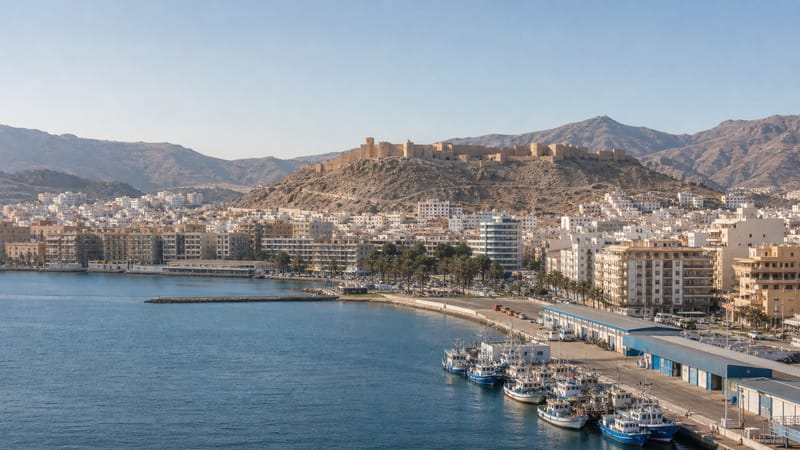
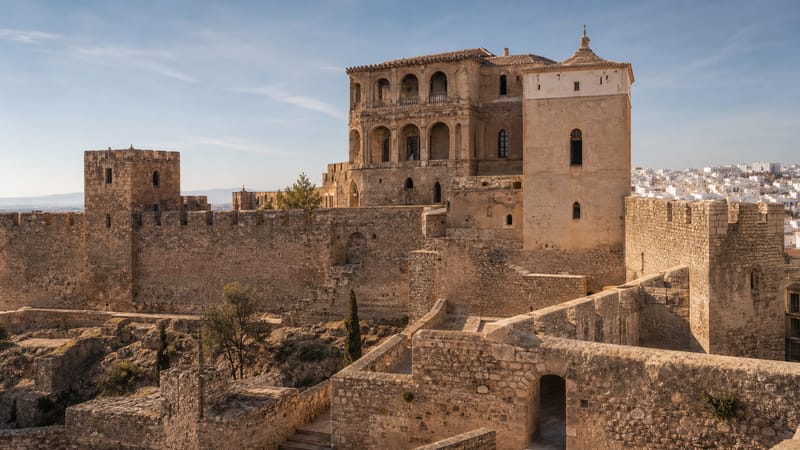
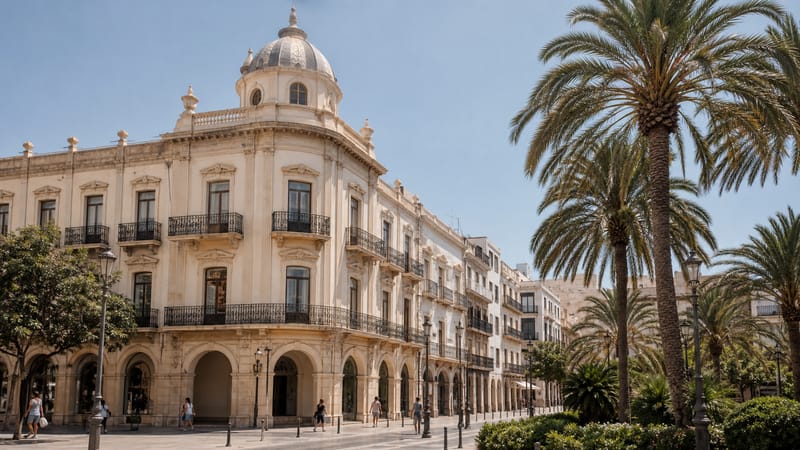
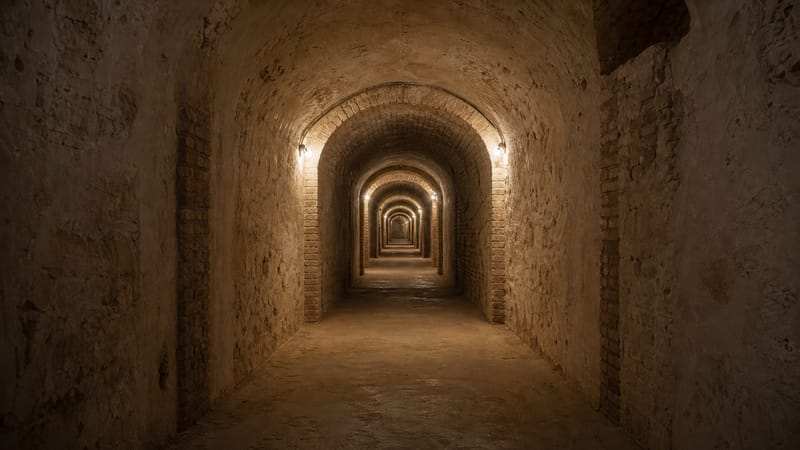
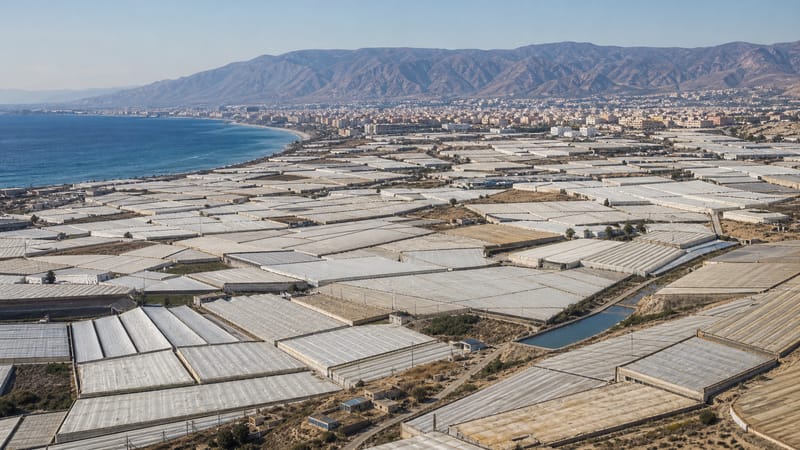
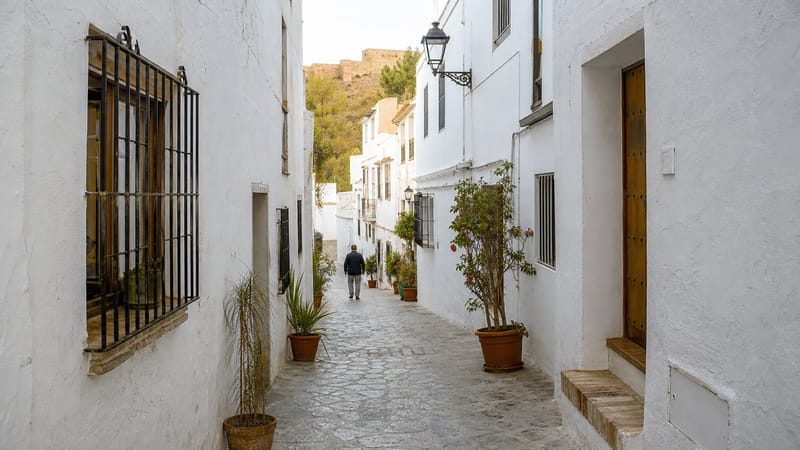
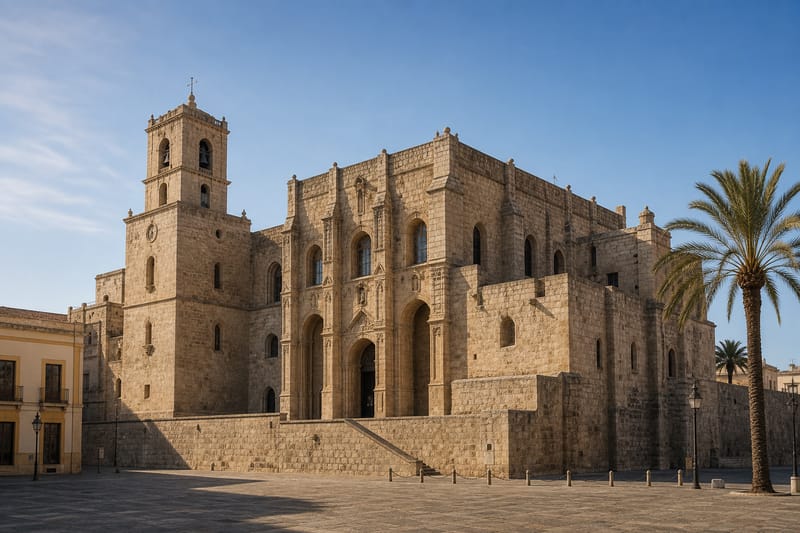
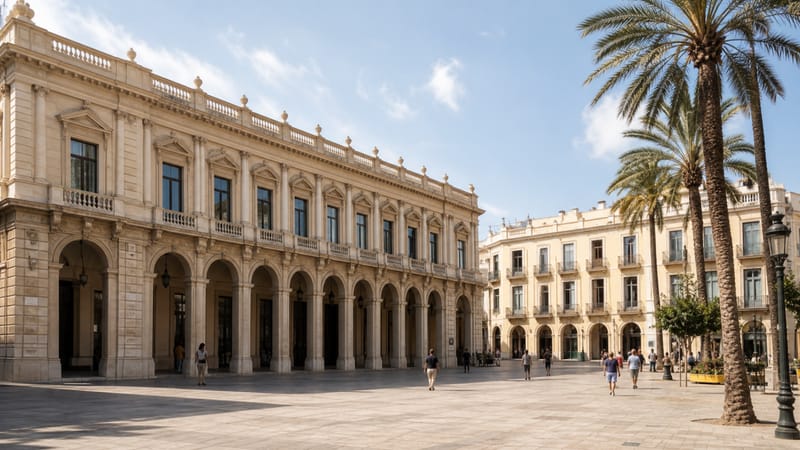
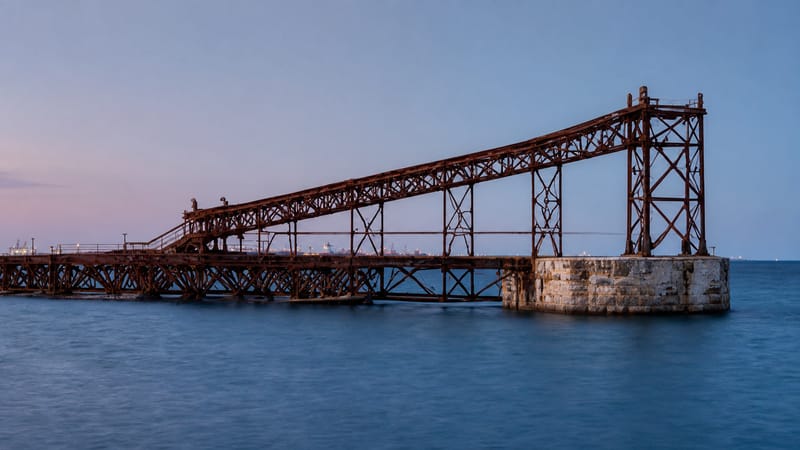
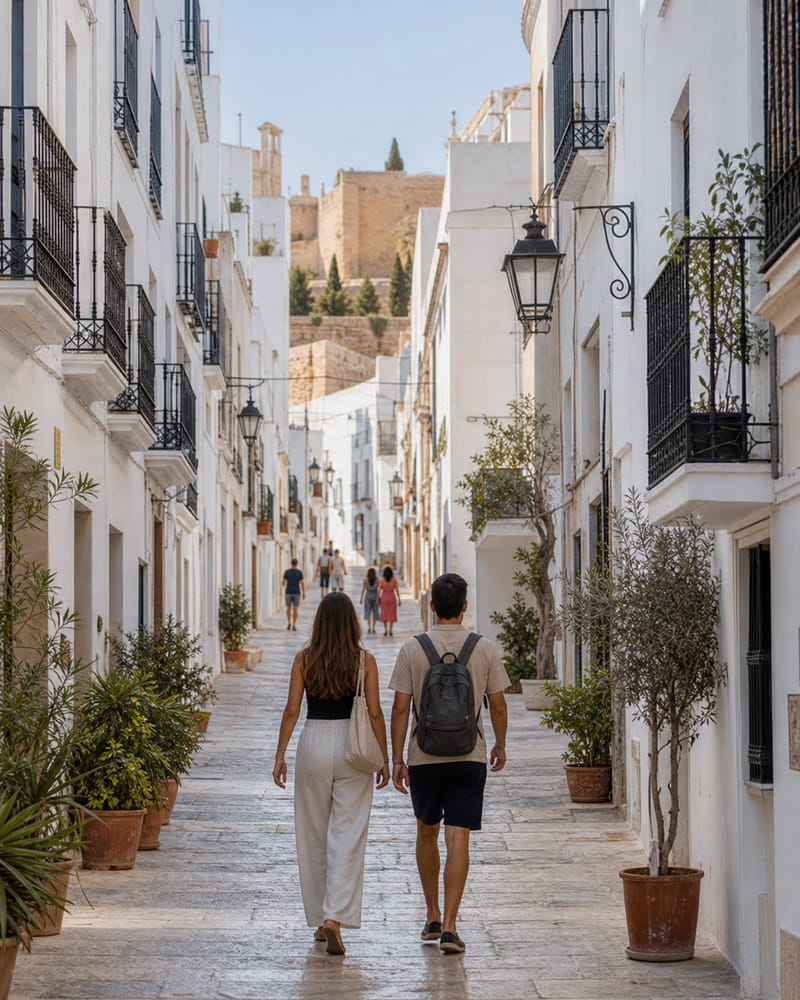
From the fortress to the shore
A downhill walk links Almería's great layers. It begins above the bay and ends walking on iron.
Open the route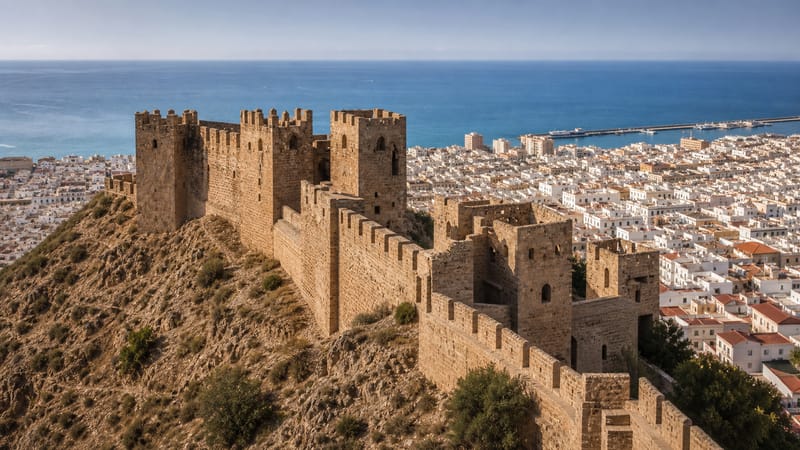
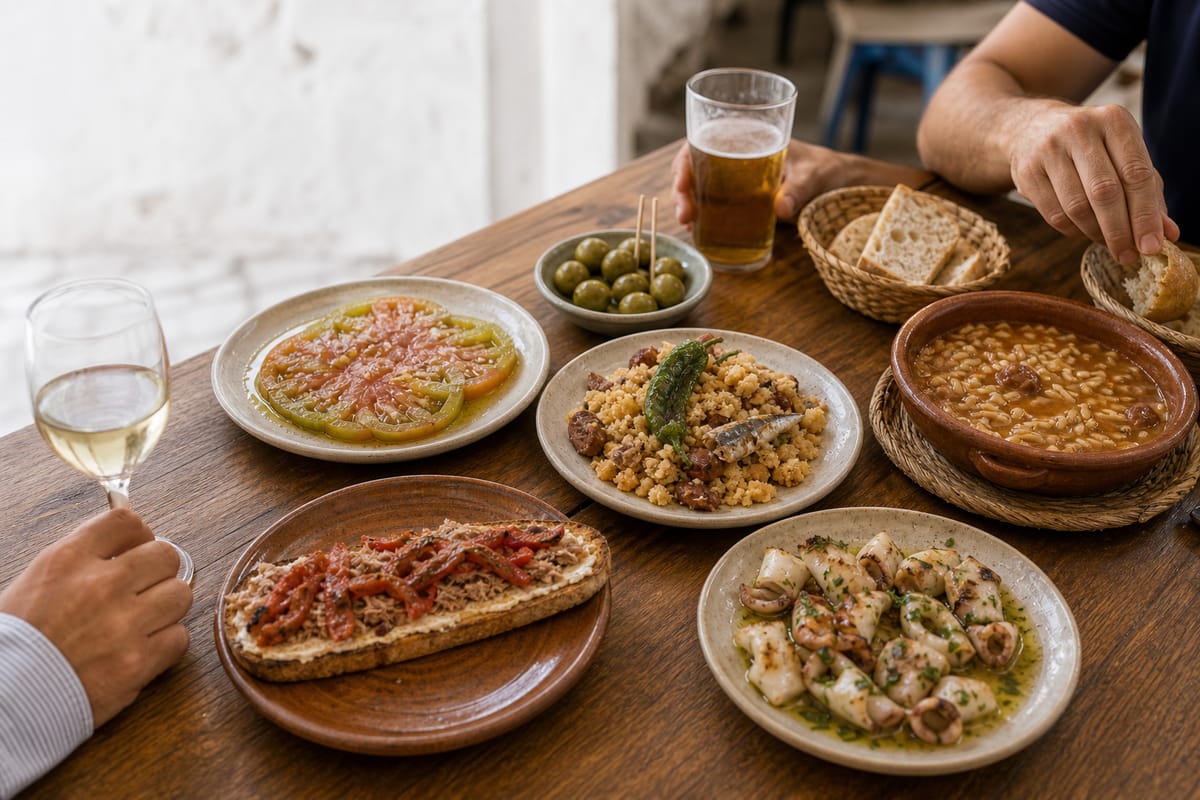
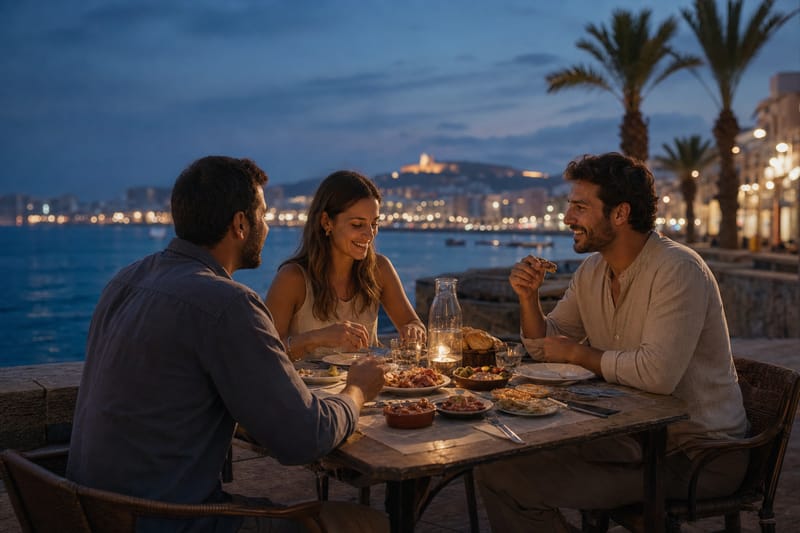
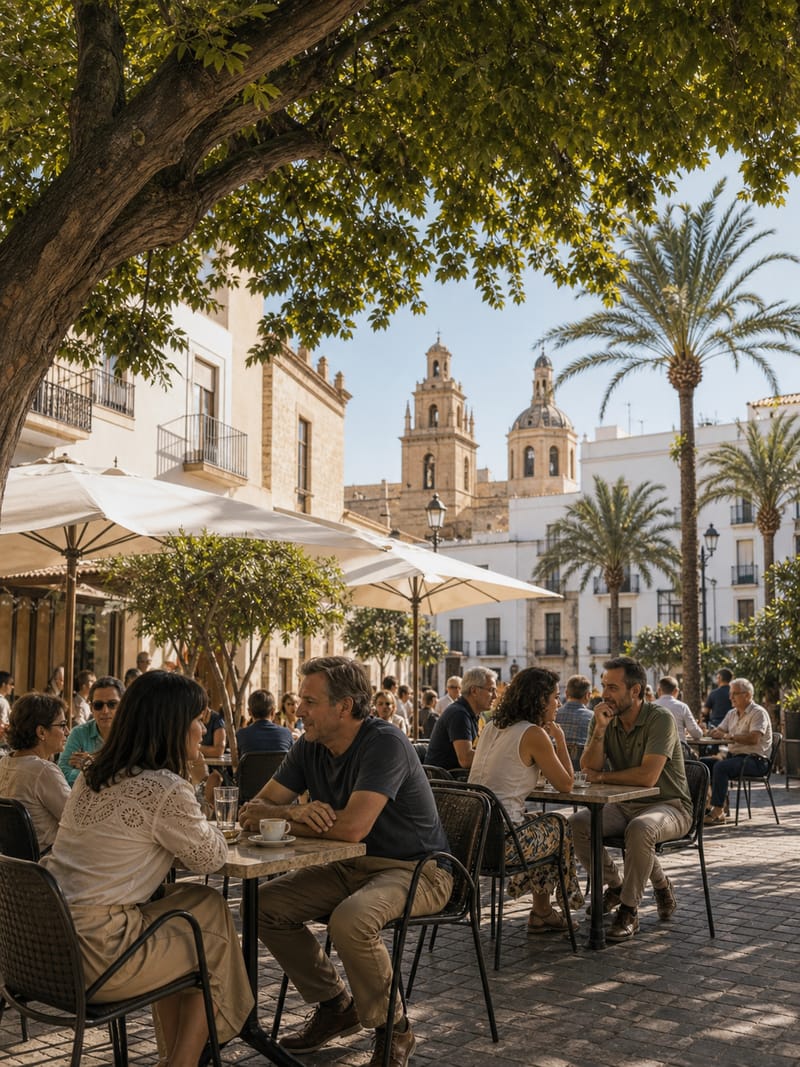
Here, a tapa opens the conversation
Almería's cooking brings together the market gardens, the port and the ingenuity of a dry land. Order a drink, choose a tapa and let your appetite decide the next stop.
Spanish Capital of Gastronomy 2019
Learn the tapeo like a localThe year is celebrated in the street
Faith, the sea, music and neighbourhood life shape a calendar that belongs to the people who live it.
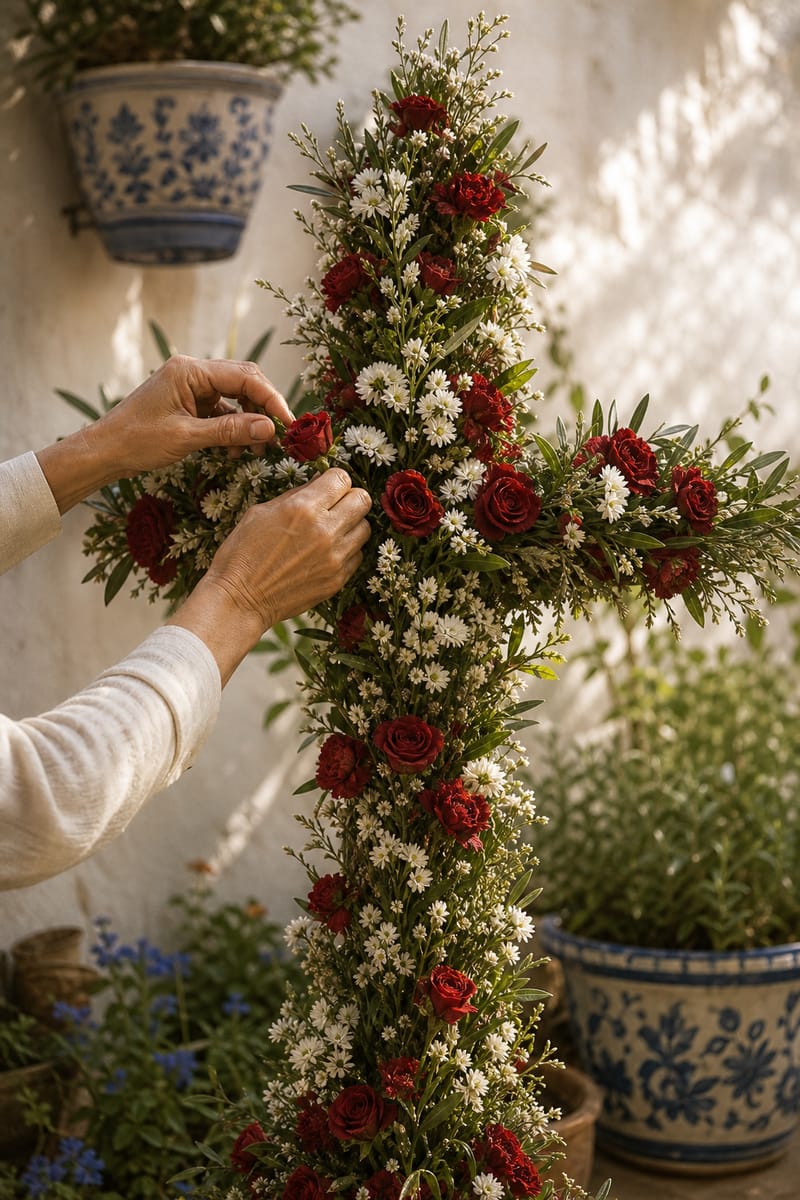
- January Romería de Torregarcía
- Spring Holy Week and Cruces de Mayo
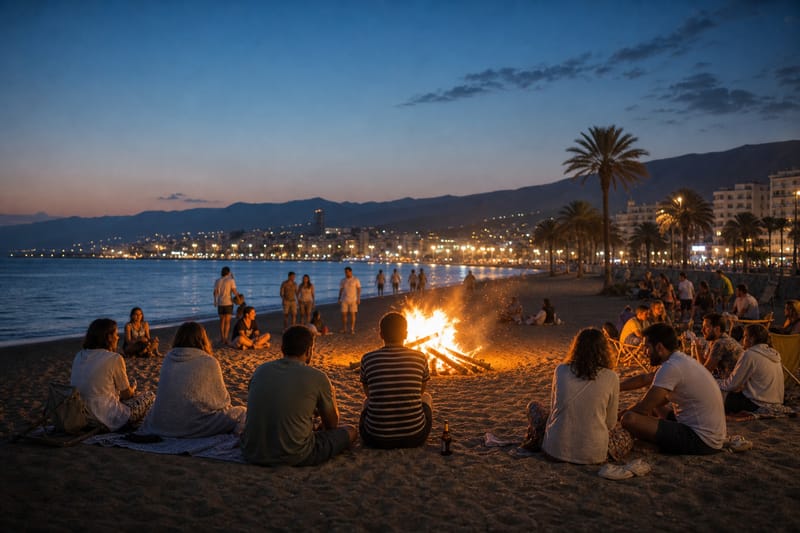
- 23 June Noche de San Juan
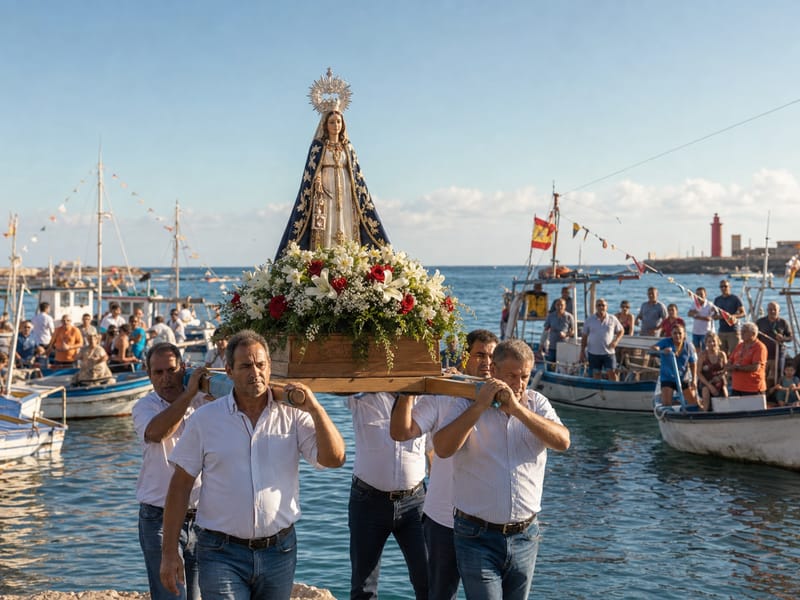
- 16 July Virgen del Carmen
- August Feria de Almería
- 26 December Día del Pendón
Always check each year's official programme and conditions in the festivals guide.
A city capable of being every world
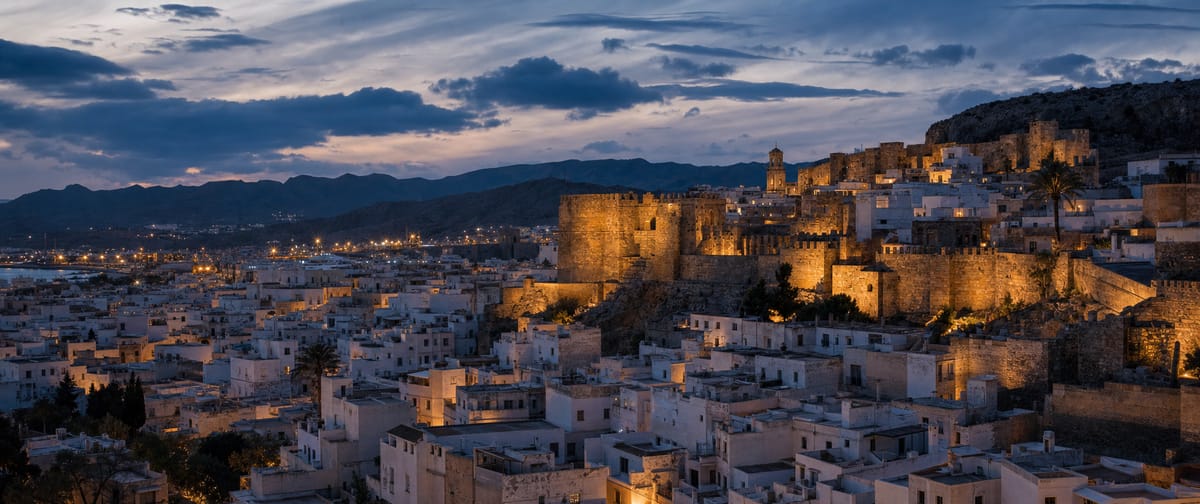
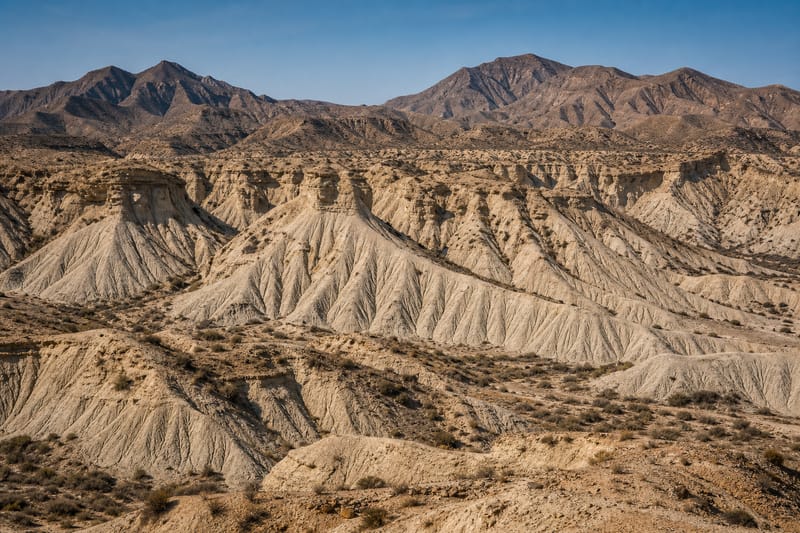
The Alcazaba was a fantasy kingdom. The Almedina, the Orient. The Parque Nicolás Salmerón, Cairo and Messina. Since the sixties, the light of Almería has lit not only the city: it has lit the cinema too.
- Lawrence of Arabia
- Patton
- Conan the Barbarian
- Indiana Jones and the Last Crusade
- Game of Thrones
- Wonder Woman 1984
1966. John Lennon in Almería.
During the filming of How I Won the War, the city became part of the emotional landscape in which Strawberry Fields Forever began to take shape.
The guitar that changed music
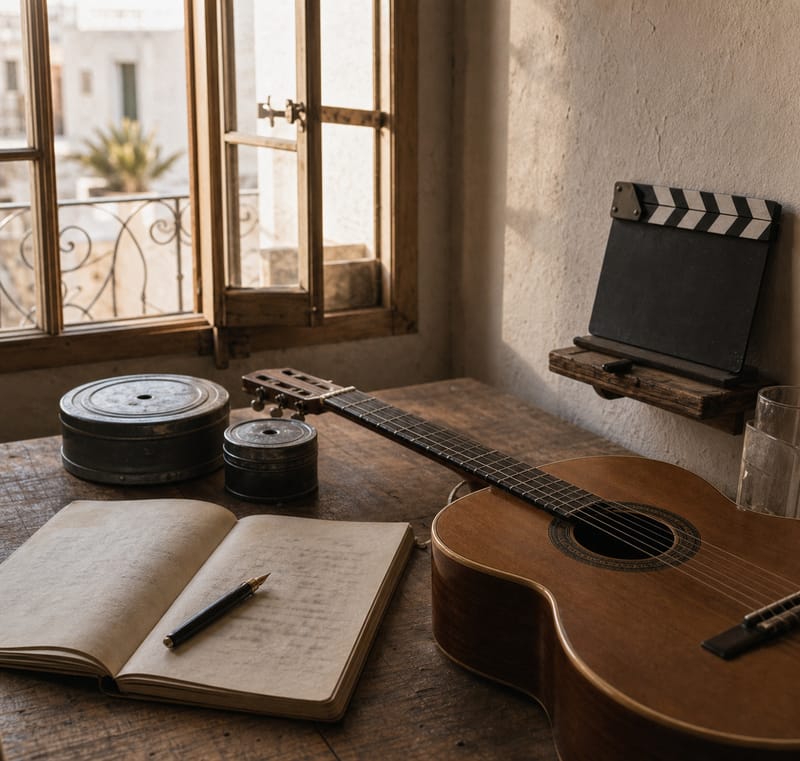
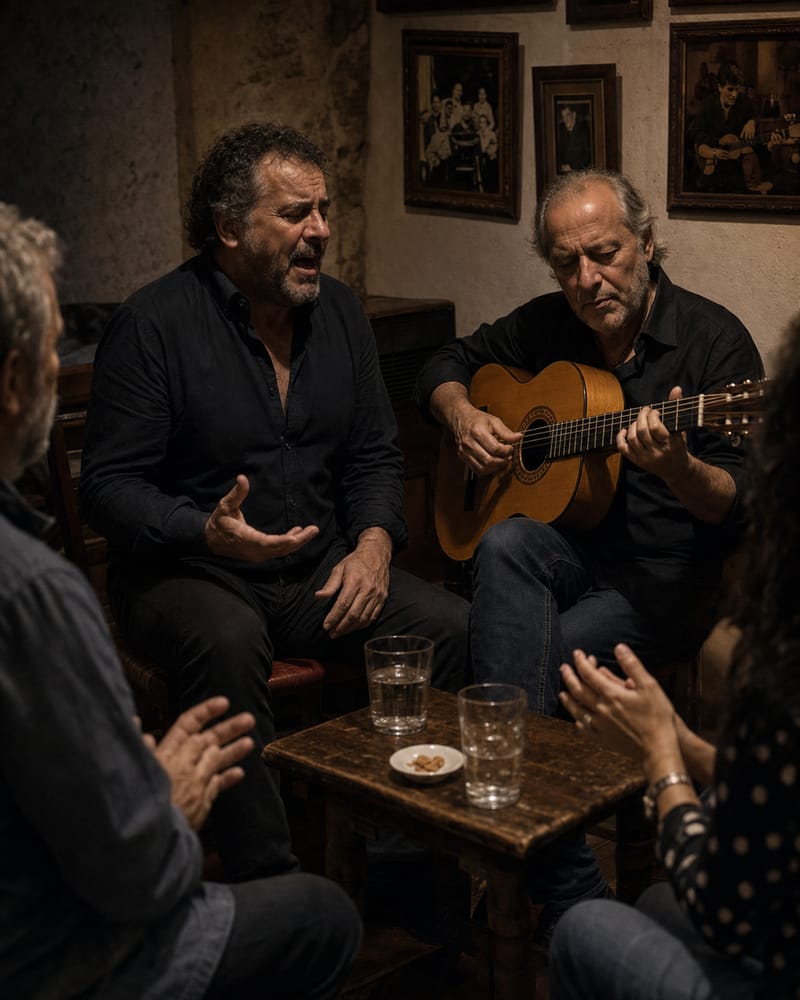
In La Cañada, Antonio de Torres transformed the modern guitar. In the peñas, the flamenco clubs, the taranta and the taranto preserve the mining echo of the flamenco of the Levante.
Listen to the city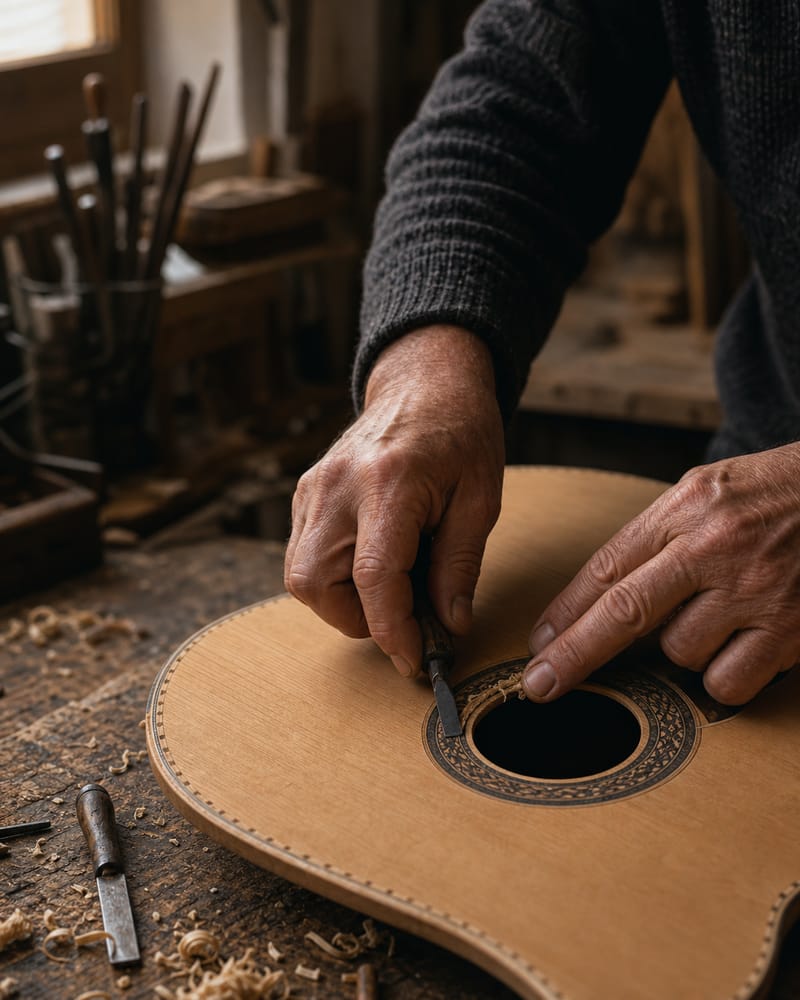
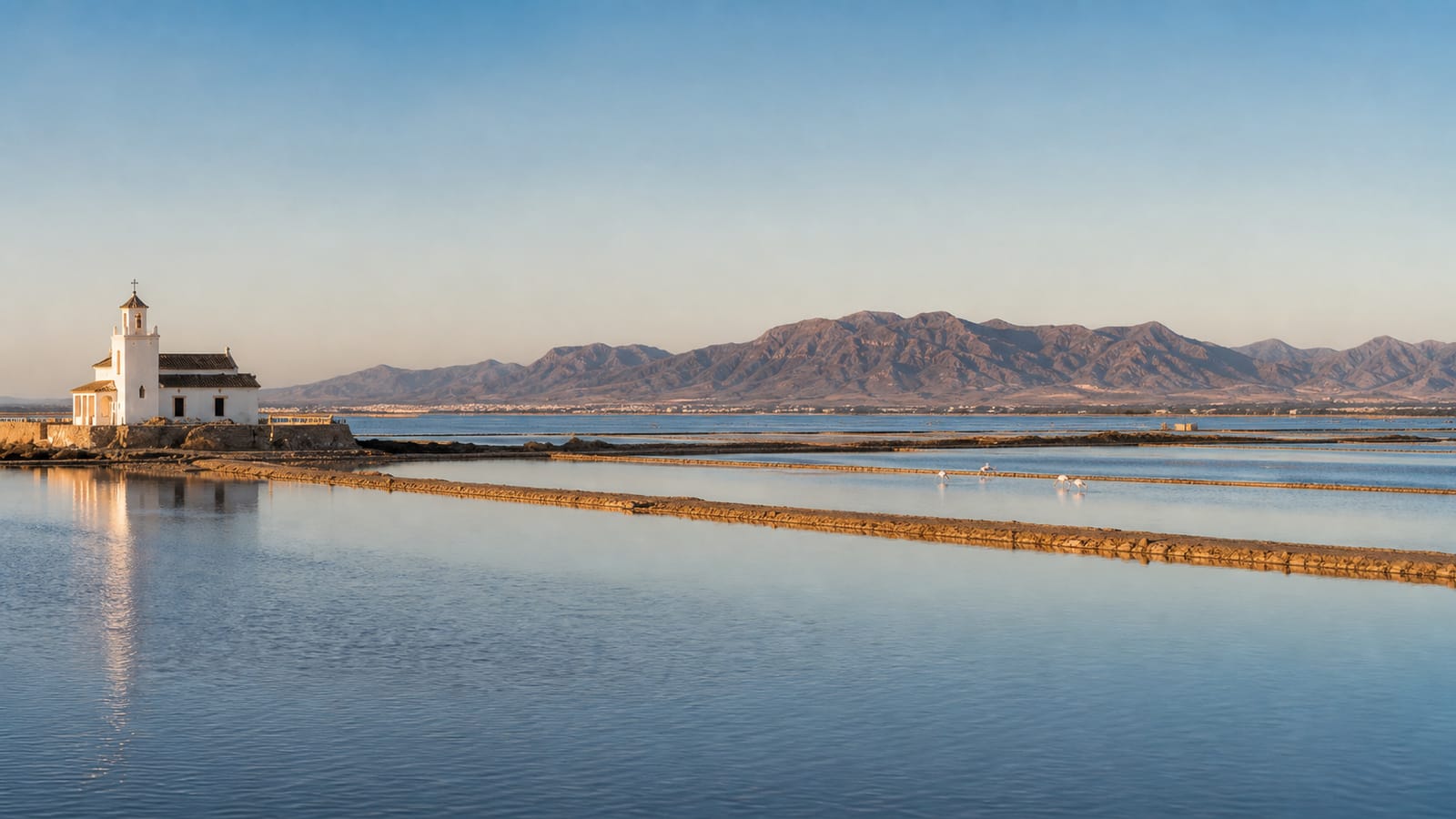
From the seafront to a volcanic landscape
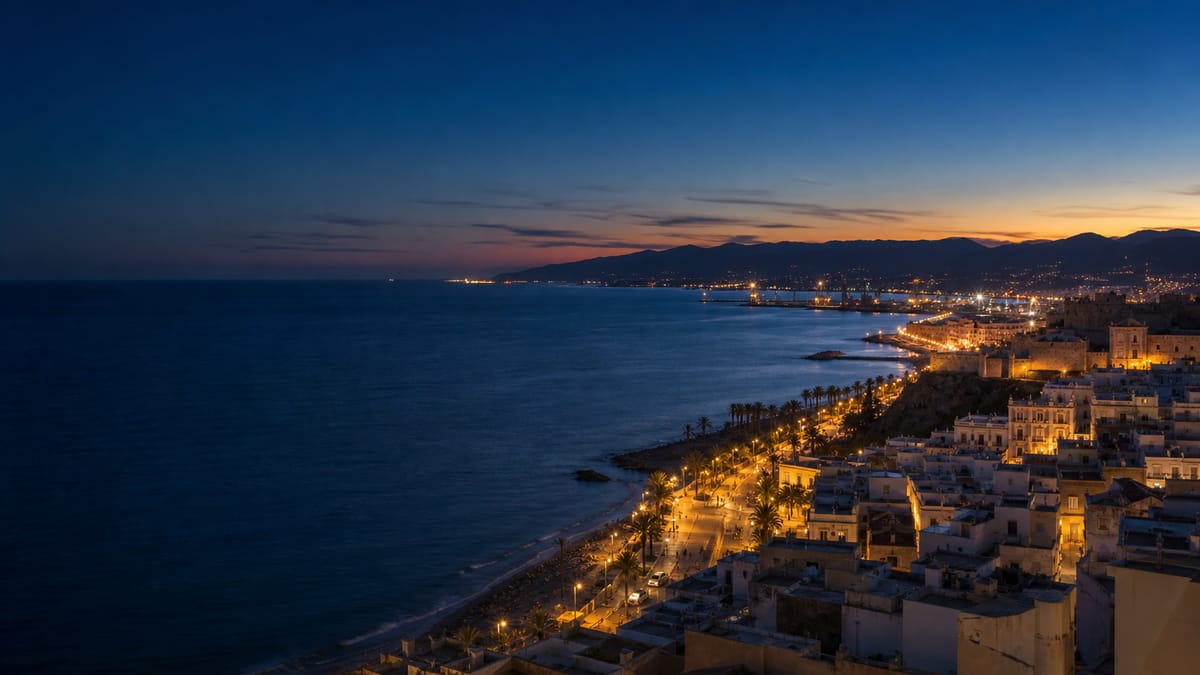
Start the day by El Zapillo. Follow the coast towards Retamar and Torregarcía. A few kilometres on, the salt flats, the dunes and the ancient volcanoes of Cabo de Gata completely change the horizon.
Explore the coast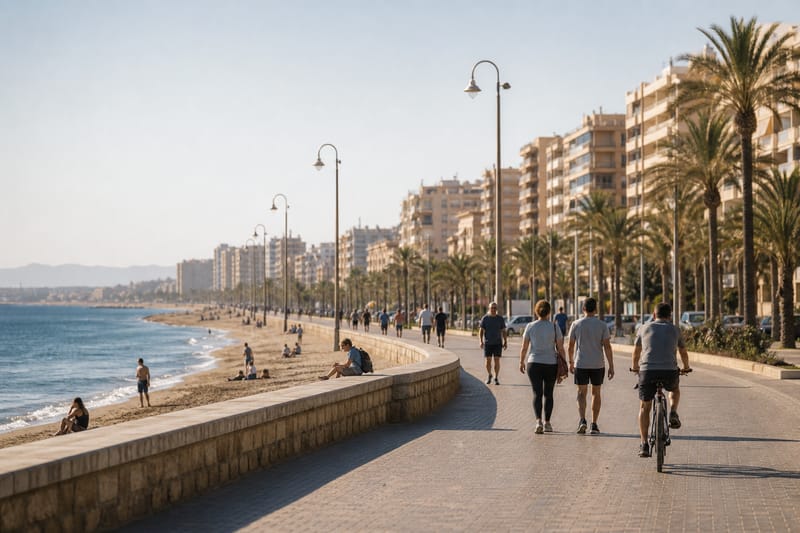
City beaches
Everyday sea, promenade and sunset.
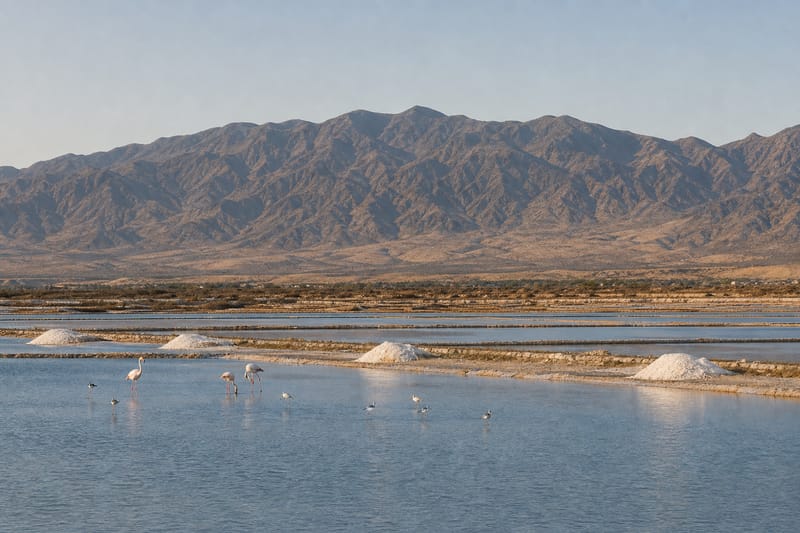
Salinas de Cabo de Gata
Water, salt and migratory birds.
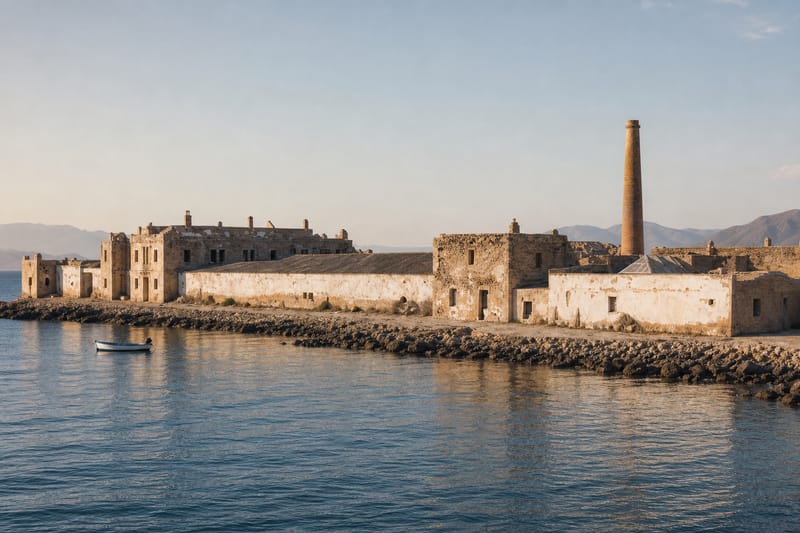
Almadraba de Monteleva
Salt-making memory facing the Mediterranean.
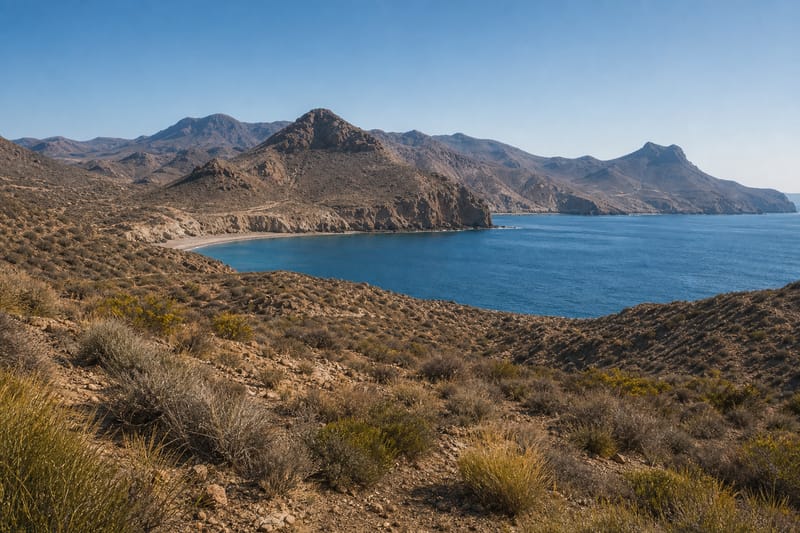
Cabo de Gata-Níjar
Biosphere reserve and UNESCO Global Geopark.
Almería, at your own pace
When to come
Spring and autumn for walking; summer for the sea and the festivals; winter to enjoy soft light and generally pleasant temperatures.
Getting around
The centre is easy to explore on foot. For the Cabo de Gata area, it is best to plan transport in advance.
Travelling with respect
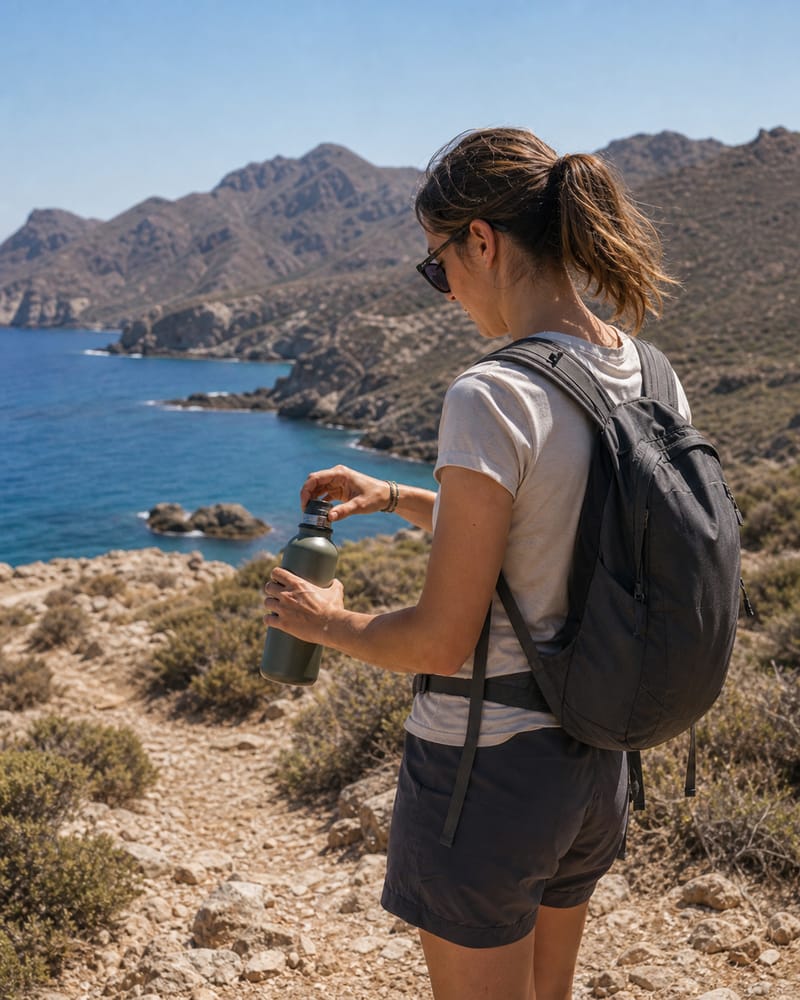
Water, shade, comfortable footwear and special care in protected areas.
Let the light guide you
Some cities you simply visit. Almería reveals itself: stone by stone, tapa by tapa, frame by frame.
Start your journey